When I shared this site with my mom for the first time, she said “oh Stef, I love it. But what is ‘slow fashion’?”
Excellent question, mom.
Brand rating app “Good on You” puts it so simply in stating that it’s essentially the opposite of fast fashion. It focuses on slowing down the rate at which clothing is manufactured, as well as consumed. It places an emphasis on quality over quantity.
I’ll give you an example that puts it all into perspective, and forgive me as that example is a small business that was rated “Great” by Good on You but also co-founded by…me. So with a slice of humble pie I share with you a case study of slow fashion.
Our small brand was founded in 2015 with the mission of creating clothing that empowers the women that create it and the customer that purchases it. How did we do that and how did it embody “slow fashion” principles?
- We trained local women in an area of rural Albania, invested in their skills development throughout the duration of employment, and paid them a living wage.
- We sourced our materials from, and created our fabrics using suppliers that were GOTS certified. This accounted for all of the fabric that we used.
- Buttons and snaps were not from such suppliers. However our snaps were nickle-free, and we worked with a local supplier in Albania to purchase wooden buttons made from local olive trees.
- We provided a breakdown of the origins and costs of all materials that comprised the garments of our collection; this was displayed on the website for each garment type.
- We made the names and stories of our seamstresses known to the customer through signed hang tags on each garment, campaigns that included interviews and discussions with them, and via a postcard packed into every order that was addressed to our workshop. On the postcard, customers were encouraged to share a thank you note or a little scribble from their children.
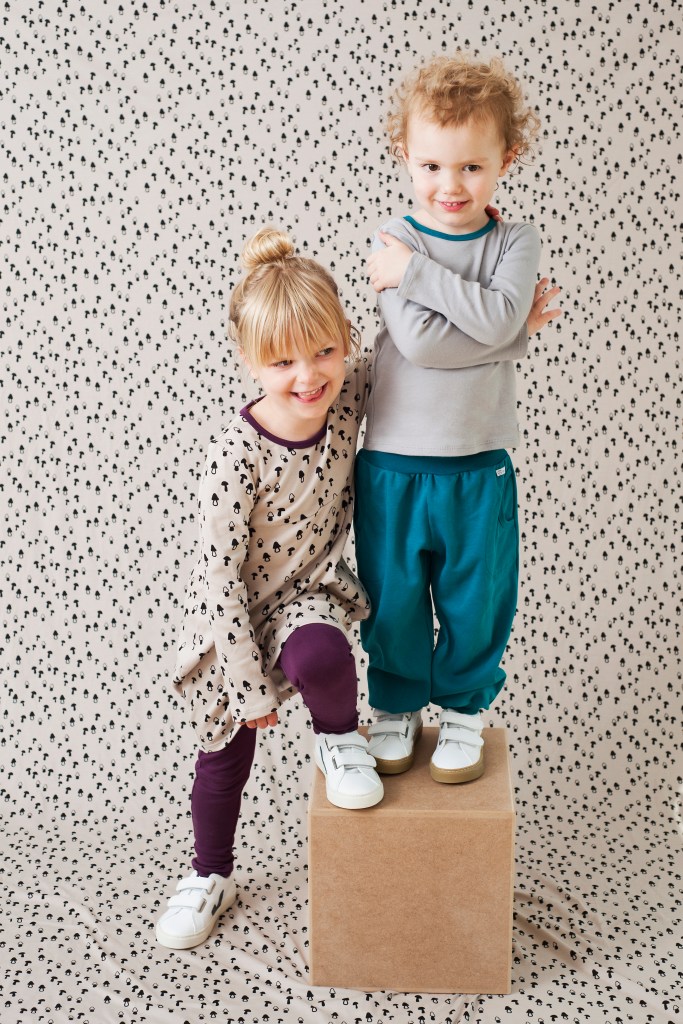
Our actions revolved around creating garments in a process that valued people and that did as little harm to the environment -on a micro and macro scale- as possible.
The rate at which garments are being designed, produced, and distributed globally today is so accelerated that we now have what are referred to as “ultra-fast fashion” brands and companies. What happens when we normalize fast and ultra fast fashion is that we remove the respect that should exist for the craft that is garment creation. We’ve ended up in a situation where garment workers are paid per piece, exposed to hazardous conditions and materials, and that bleakness is all passed onto the customer who is buying an item that’s impossible to truly enjoy, let alone for more than a few wears.
I’m an advocate for slowing things down, and I always will be.
 Good Lord Faye
Leave a comment